Table of Content
There is scientific research that suggests some breeds are more prone to develop this vice than others. Breeds like Thoroughbreds and Quarter horses are at the top of the list. Roughly 10% of cribbers “learn” this behavior from others, while the rest seem to pick it up on their own. If your horse must spend time alone in a stall or paddock, give him something to do that will occupy his mind and body. Commercially available balls and puzzles are available in many feed and supply stores.

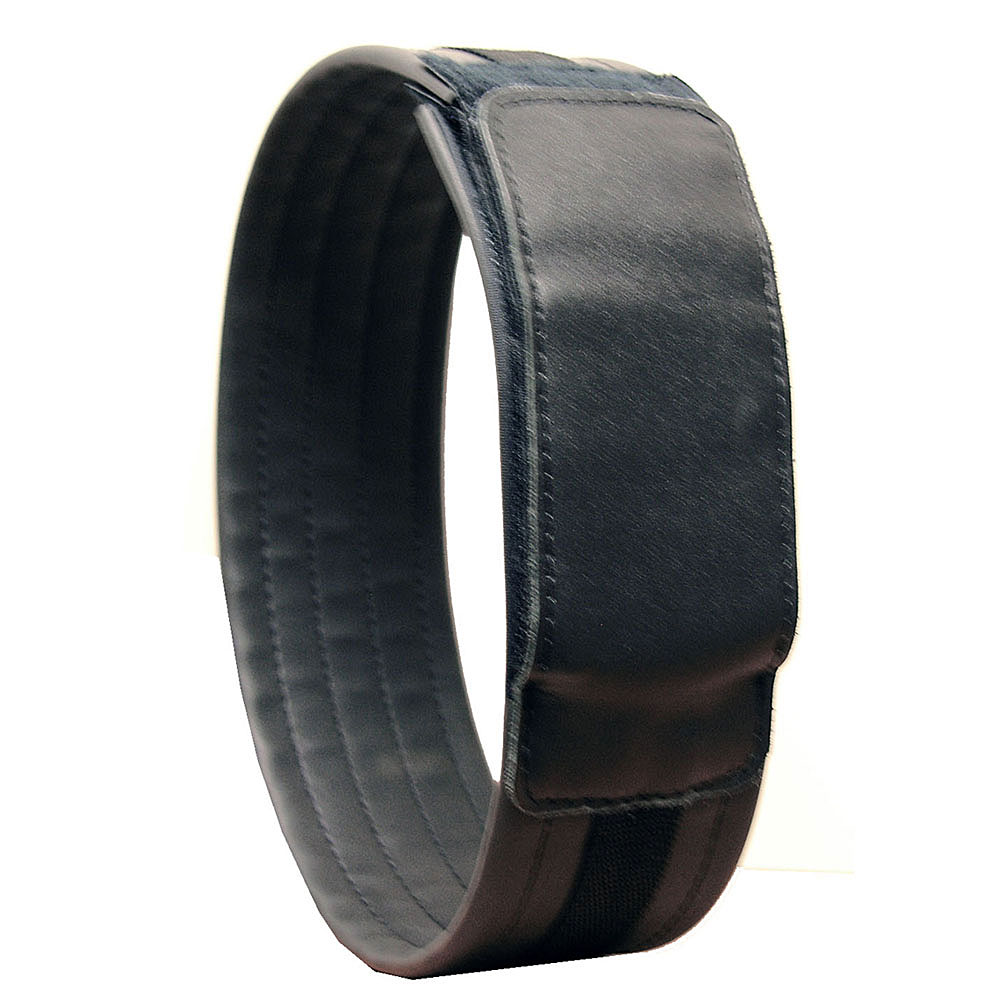
A slow feeder to deliver hay can be a useful way to distract the horse and keep him occupied so he won’t engage in cribbing. Feeding hay through a net or mesh feeder forces him to take his time eating, which might be a more appealing option than cribbing if the habit is not yet fully ingrained. Cribbing collars and muzzles physically restrict the horse’s movement, preventing him from engaging in the flexing necessary to gulp air. This is a good temporary solution, but most cribbers will resume their behavior as soon as the collar is removed.
Managing a horse that cribs
There is no absolute method to stop cribbing in certain horses, but there are ways to cope. Here are some suggestions that have been tried by those who have cribbers. But, the BO just built wooden slow feeders and IF he does even try it, I want to make sure it's the last time he does. Cribbing is a tragic problem that is all too prevalent in the stabled horse. When helping your horse to get rid of this habit, always keep in mind where it’s coming from.

Metal chew guards, foul-tasting deterrent sprays and even electric fencing can all ward a horse off of chewing on particular parts of the stable. Bear in mind that a horse can still suck wind on his own without chewing wood, so a determined cribber may find a way around these tactics. This can at least curb some of the material damage to your barn.
What Are the Health Risks from Cribbing?
Toys are a way to keep your horse's mouth busy and decrease the amount of time it cribs. Look for ones that prompt the horse to lick or chew the toy, as cribbing could stem from an oral fixation. Unless you catch it early on in a horse's life, it's unlikely that you will stop this behavior altogether. However, you can take some steps to help manage it, such as working on the horse's diet and helping to prevent boredom, which may decrease how much the horse cribs.
Researchers are also still working to understand how cribbing might affect a horse’s health. Horses who crib do seem to be more prone to certain types of colic, although the connection is unclear. A tendency to crib can be inherited, diet, boredom, lack of socialization or other factors may also make it more likely that a horse will develop the behavior. Several surveys have suggested that the tendency to crib may be inherited. In one Japanese survey, for example, the overall rate of cribbing was 1 percent among 1,500 Thoroughbreds but 7 or 8 percent within certain families. As a flight animal, the horse typically seeks solace in movement.
What is Horse Cribbing?
Awful-tasting sprays applied to where the horse cribs rarely help. When horses crib, they are not actually tasting the horizontal surface they’re biting, just resting their incisors on it. Therefore, application of some noxious substance is typically ineffective.
You can even make your own treat-dispensing toys with an old milk jug or other recycled materials. So some owners have turned to surgical intervention to make it impossible for the horse to crib. The most commonly used surgical method is a modified Forssell's procedure.
They’ve done studies that often show horses that crib or chew wood develop it because of not being given enough hay, and being stalled as well . When a horse cribs, he sucks, or aspirates, air into his esophagus. If he does not eat anything for a few minutes after that, the air will diffuse out of his mouth. But if he eats, the food will push the air down his esophagus and into his stomach.
It may be that sugar lights up the same reward center in the brain that cribbing does, so when your horse gets sugar, it may want to keep the feeling going. Stomach discomfort, including ulcers, may contribute to some horses' desire to crib. By switching to a diet that helps reduce ulcers, such as alfalfa hay, you may help eliminate stomach problems, which in turn, may reduce the horse's cribbing. If your horse is already on alfalfa, you may want to try other options for reducing cribbing. Some horse owners may find that certain holistic treatments are effective in curbing unwanted behaviors such as cribbing. The technique is effective, but it comes with the same risks as any major surgery, and it does nothing to treat the underlying issue.
She is an advocate of natural prevention and support for overall health, healing and stronger immune systems for both humans and animals. Shari is an independent author, international lecturer and self-styled naturalist. She is also a staunch supporter of "Truth in Labeling" for ALL manufacturers. Contact Shari at and reference Holistic Horse in the subject line.

It’s a nasty habit that can’t be cured, but it can be managed by taking appropriate action. Cribbing is nothing new, but that doesn’t mean it’s not still a big problem for both horse and rider. As a behavioral issue, cribbing often arises from boredom but can escalate into something more severe. The best method of curing cribbing is prevention, but there are some solutions available to horse owners who have to tackle this issue head-on.
These feeders give your horse a little bit of hay at a time, slowing down how much it can take, but your horse will still be nibbling most of the time. You can also try giving the horse hay before you feed it grain, which may cut down on cribbing, as well. Horses are smart, and putting their brains to work can keep them from getting themselves in trouble. Ground manners, trick training, and even complicated dressage moves are all great for keeping a horse’s mind and body occupied. Cutting-edge advice for this behavioral vice in your veterinary equine patients. There are some different herbs out there, advertised as cribbing deterrents for horses.
He can still latch onto a horizontal surface, but if he can’t flex his neck, he can’t suck air into his esophagus. So if you use one, check that area frequently for signs of irritation. The stressful life of a race or show horse contributes, but even pasture potatoes have ulcers. Is loaded with insightful treatments for ulcers and helps owners of horses with "bad habits" understand and live with these behavioral issues. To keep a horse from cribbing, try feeding it more alfalfa hay, which can reduce stomach discomfort that causes cribbing. Also, avoid feeding your horse grains that are high in sugar since sugar can encourage cribbing, and instead opt for low-sugar grains like plain oats.
Digestive issues There is evidence to suggest that horses may crib to alleviate gastrointestinal distress. Talk to your veterinarian about adding an antacid to your horse’s diet. Early weaning Unfortunately, there’s not much you can do about this one if your horse comes to you as an adult. However, find out when and how he was weaned – foals weaned early and fed too much concentrate can have a higher risk of cribbing.


No comments:
Post a Comment